

Headaches & Migraines: Can Chiropractic Care Help?
Headaches are incredibly common, so common that many people simply learn to live with them. But when headaches become frequent, intense, or unpredictable, they can start to affect nearly every part of daily life. Work, sleep, exercise, family time, and overall wellbeing can all be impacted.
At Proactive Chiropractic Care Rolleston, headaches and migraines are one of the most common reasons we see people seeking care for. Increasingly, we see that many headaches are connected to something people do not always expect:
The neck and the nervous system.
How Common Are Headaches and Migraines?
Headache disorders are among the most prevalent neurological conditions worldwide. Recent studies and research published in the Journal of Headache and Pain suggest that:
Around 65% of adults experience a headache disorder each year
Tension-type headaches affect roughly 26% of people annually
Migraines affect approximately 14–15% of the population
Migraines alone affect more than one billion people globally and are considered one of the leading causes of disability worldwide, particularly during adults’ most productive years.
For many people, headaches are more than occasional discomfort. They can contribute to:
Missed work or reduced productivity
Difficulty concentrating
Sensitivity to light or sound
Nausea and fatigue
Reduced exercise tolerance
Disrupted sleep
Increased stress and anxiety
Over time, this cycle can significantly affect quality of life.
What are the Different Types of Headaches?
Not all headaches are the same, and identifying the type can be helpful when considering the best approach and chiropractic care plan.
The three most common patterns we see in our practice are:
Tension-Type Headaches
Often described as a tight band around the head, these headaches are frequently associated with muscle tension in the neck and shoulders.Migraines
These are complex neurological events that may involve throbbing head pain, nausea, light sensitivity, and sometimes visual disturbances.Cervicogenic Headaches
These headaches originate from the neck itself. Restricted joints, muscle tension, or irritation of structures in the cervical spine can refer pain into the head.Many people experience overlapping headache patterns, which is why understanding contributing factors is important.
The Neck–Headache Connection
The upper cervical spine has a close relationship with the nervous system structures involved in head and facial pain. Sensory nerves from the upper neck converge with pain pathways from the head in a region of the brainstem called the trigeminocervical nucleus. Because of this connection, dysfunction or tension in the neck can sometimes contribute to headache symptoms.
One pattern we frequently observe in practice is that headaches often involve the neck in ways people have not previously considered. This is why approaches that address neck movement, joint function, and muscle tension are often explored when managing headaches.
5 Signs Your Headaches Might Be Coming From Your Neck
While not all headaches originate from the neck, certain patterns commonly suggest that the cervical spine may be involved.
Headaches that start at the base of the skull
Pain that begins in the upper neck or base of the skull and travels toward the temples or behind the eyes may indicate a cervicogenic headache pattern.Headaches triggered by long periods of sitting
Many people develop headaches after long hours at a desk, driving, or using devices, particularly when posture begins to fatigue.Neck stiffness or reduced range of motion
If turning or tilting your neck feels restricted, or headaches are accompanied by neck tightness, the cervical joints and surrounding muscles may be contributing.Headaches that improve with movement or stretching
Headaches that temporarily ease after stretching, movement, or massage to the neck and shoulders may have a musculoskeletal component.Migraines associated with neck tension
Many migraine sufferers notice neck stiffness or tension before or during an episode.This does not necessarily mean the neck is the sole cause of the migraine, but it may represent one contributing factor within a more complex neurological process.
What Does Research Say About Chiropractic Care for Headaches?
Chiropractic care focuses on the relationship between the spine, nervous system, and overall function. A number of clinical studies have explored whether chiropractic adjustments and manual therapies may help people experiencing certain types of headaches. The strongest research exists around cervicogenic headaches, which originate from structures in the neck. Randomised controlled trials have shown that spinal adjustments can lead to improvements in headache frequency, duration, and intensity compared with some alternative interventions or control groups.
Some studies have also reported that a meaningful proportion of participants experienced significant symptom reduction, with some individuals seeing improvements of around 50% or more during a course of care. There is also emerging research suggesting that spinal adjustments and manual therapies may reduce headache days and headache-related disability, particularly in people with tension-type headaches or headaches associated with neck dysfunction.
It is important to understand how clinical research is typically designed.
Research protocols often use very simplified treatment approaches so that researchers can isolate specific variables. Participants may receive only a limited number of adjustments delivered using the same protocol. While this is necessary for research design, it does not always reflect how care is delivered in clinical practice.
In practice, care is usually more comprehensive and individualised and we go into this later on in this article.

Our Approach to Headache Treatment at Proactive Chiropractic Care Rolleston
When someone visits our clinic for headache treatment in Rolleston, the goal is not simply to chase symptoms. Instead, we look at the broader picture to understand what may be contributing to nervous system stress and mechanical strain, and most importantly how we can help provide long-term solutions and management.
At Proactive Chiropractic Care Rolleston, headache care may involve a combination of:
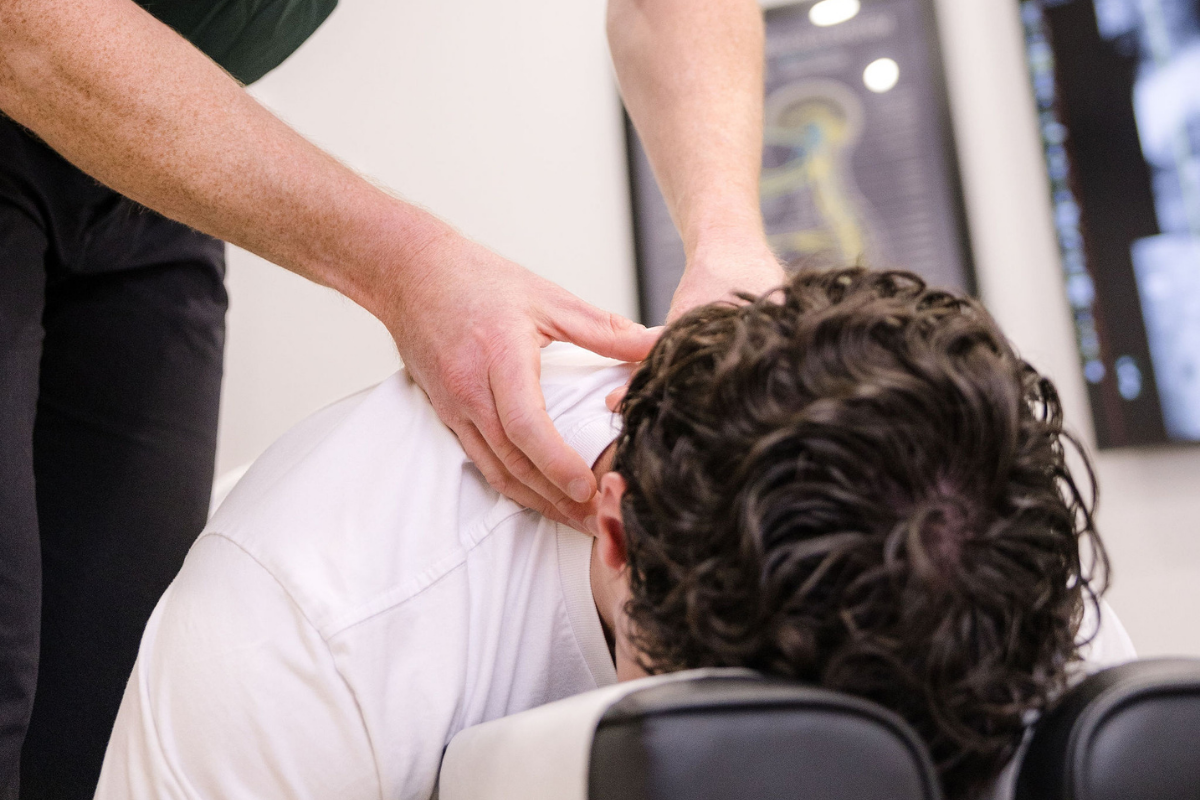
Specific chiropractic adjustments
Movement and mobility strategies
Postural and functional testing
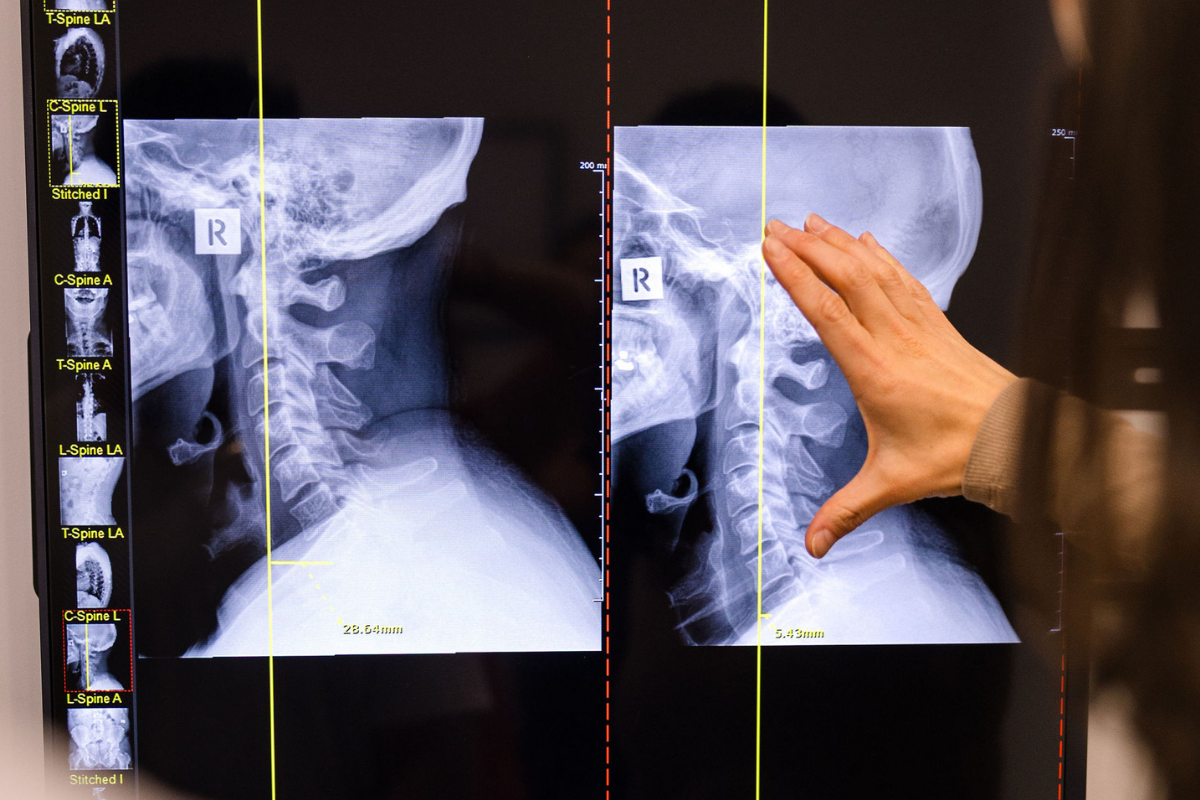
X-ray imaging when clinically indicated
Nervous system scanning
Lifestyle and stress considerations
Ongoing reassessment to track progress
Rather than applying the same approach to every patient, the goal is to understand the patterns contributing to nervous system stress and spinal dysfunction. Research provides valuable insight into potential mechanisms and outcomes, but it cannot fully capture the complexity of personalised clinical care.
What it does suggest is that addressing neck function and nervous system stress can play an important role for some people experiencing headaches. The aim is to support better spinal function and nervous system adaptability, which for some people may reduce the frequency or intensity of headaches over time.
Frequently Asked Questions
Can a chiropractor help migraines?
Chiropractic care may help some people experiencing migraines, particularly when neck tension or spinal movement restrictions are contributing factors. Migraines are complex neurological conditions, so care is usually part of a broader management approach and at Proactive Chiropractic Care we will work with you and other health care professionals to do this.
What headaches respond best to chiropractic care?
Research suggests the strongest outcomes may be seen with cervicogenic headaches and tension-type headaches, where musculoskeletal factors such as neck movement and muscle tension play a role.
When should I consider seeing a chiropractor for headaches?
People often consider chiropractic care when they experience:
Frequent tension headaches
Neck stiffness associated with headaches
Headaches triggered by posture or screen time
Recurring headaches that keep returning
A comprehensive assessment can help determine whether spinal or movement-related factors may be involved.